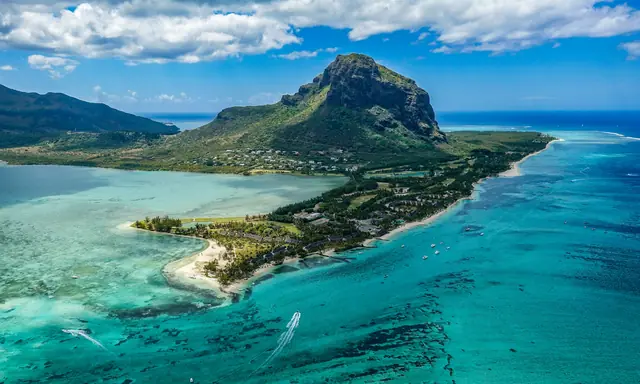
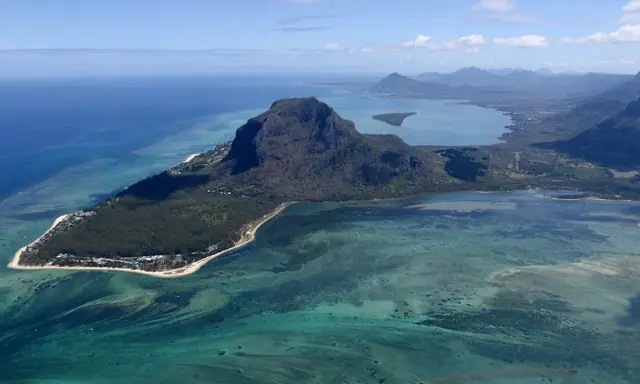
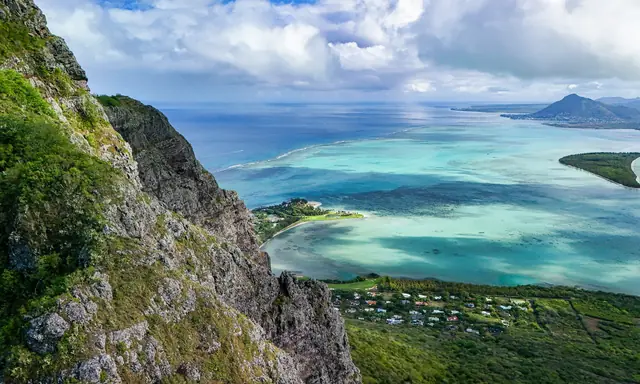
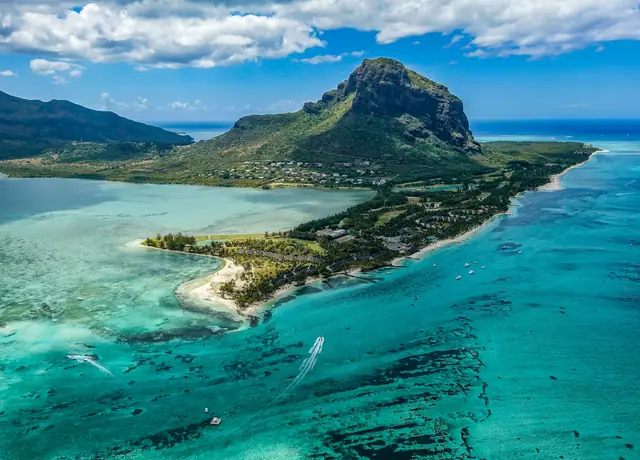
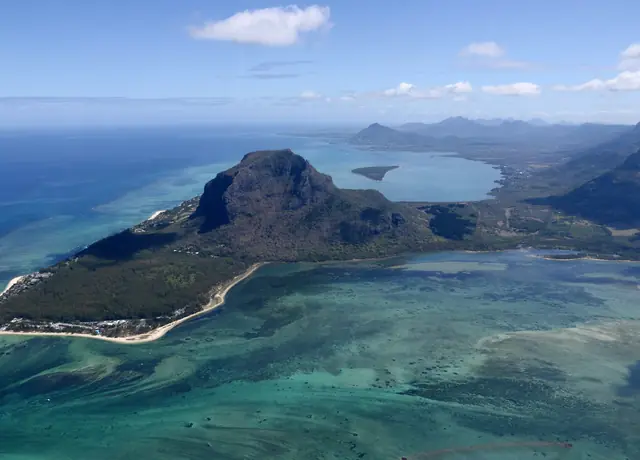
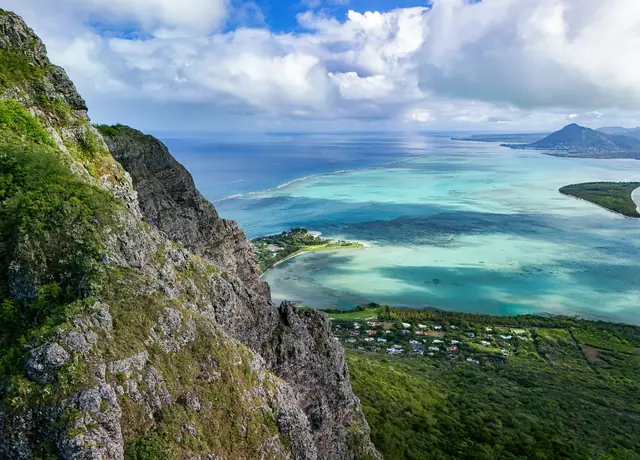
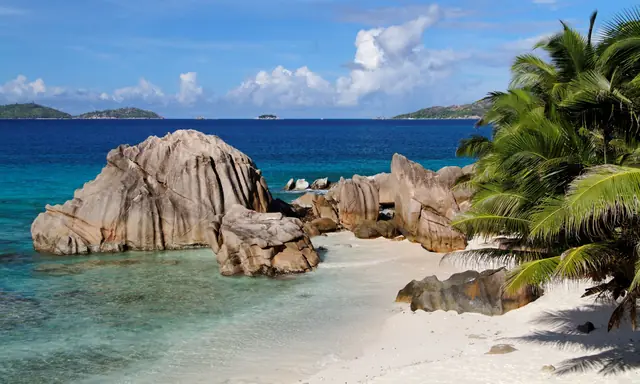
Mauritius is a volcanic island almost entirely surrounded by a coral reef, so most beaches face calm, shallow lagoons that are ideal for swimming, snorkelling and paddleboarding. Inland it is green and mountainous, with sugar cane fields, waterfalls and the Black River Gorges National Park. English and French are both widely spoken, people are friendly, and the food mixes Indian, Creole, Chinese and French cooking. Hotels range from relaxed four-star resorts to some of the best five-star hotels in the Indian Ocean.
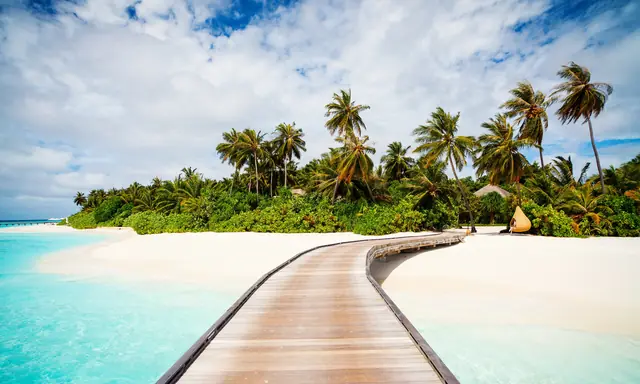
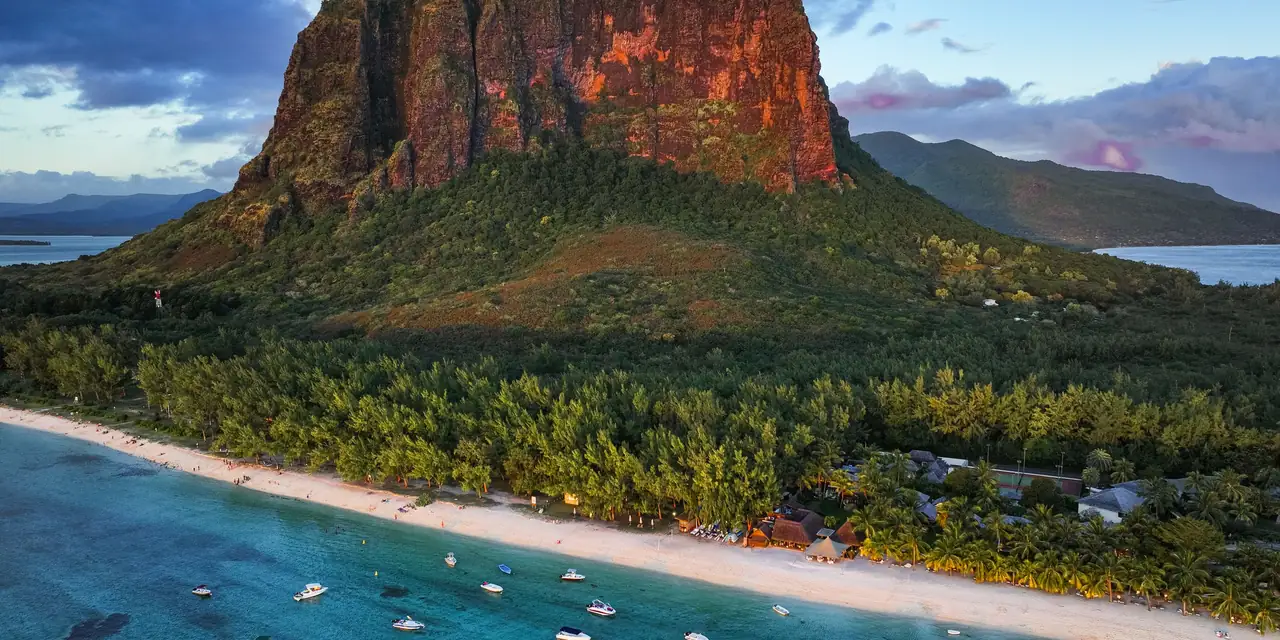
Each coast has its own character. The north around Grand Baie is the liveliest, with restaurants and boat trips. The east coast at Belle Mare has long beaches and some of the biggest resorts, and is the jumping-off point for Île aux Cerfs. The south-west around Le Morne and the west around Flic en Flac get the best sunsets and calmer winter weather. Many resorts have kids' clubs and family rooms, which makes Mauritius a better choice than the Maldives for families who want more to do.
The honest trade-off is the long flight, about twelve hours, and the seasons, which are the opposite of ours. From June to August it is the Mauritian winter: still warm and sunny, but breezy and cooler in the evenings, especially on the east coast. January to March is hot and humid, with a chance of cyclones.

 14 nights · All inclusive